Conference Venues London 100-200 Guests
Find the perfect mid-sized conference venue in London for 100–200 delegates.
ExploreConference Venues in London
Find and book conference venues across London, from boardroom suites and hotel meeting rooms to unique spaces for large-scale corporate events. EventCage makes sourcing simple.
Last updated: June 2026
Find the perfect mid-sized conference venue in London for 100–200 delegates.
Explore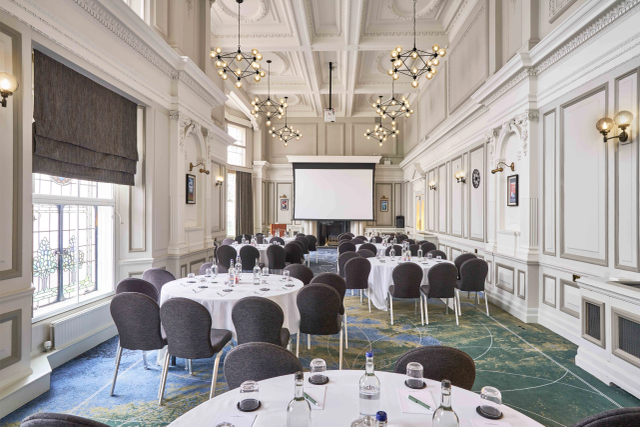
Find the best conference hotels in London with , breakout spaces, and onsite accommodation for , training, and…
Explore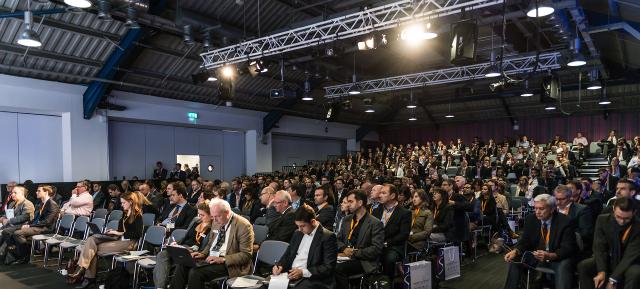
London delivers some of the UK’s most versatile large conference spaces for 500, 700, 1,000 delegates and more.
ExploreVenues
Open any venue for photos, capacities and prices, or enquire directly.
London is home to thousands of conference venues, from glass-walled boardrooms in the City and Canary Wharf to converted warehouses in Shoreditch and grand historic halls in Westminster. Whether you’re organising a half-day leadership session for 15 or a flagship conference venue in London for 500 delegates, EventCage helps you find the right space without the usual sourcing headache. Browse our curated collection, filter by capacity and area, and get in touch with venues directly.
Sourcing a conference venue in London used to mean hours of Googling, chasing agents and comparing PDFs. EventCage changes that. We’ve curated a hand-picked selection of conference venues across London, covering every size, style, and budget, so you can compare options, check capacity, and contact venues directly through the platform.
From slick hotel meeting suites in Mayfair to tech-enabled conference centres in King’s Cross and character-filled spaces in Brixton, London’s conference venue market is vast. EventCage cuts through the noise and shows you only the venues worth considering. Whether you need a dedicated conference centre, a hotel ballroom with breakout rooms, or a unique venue that doubles as a memorable backdrop, you’ll find it here.
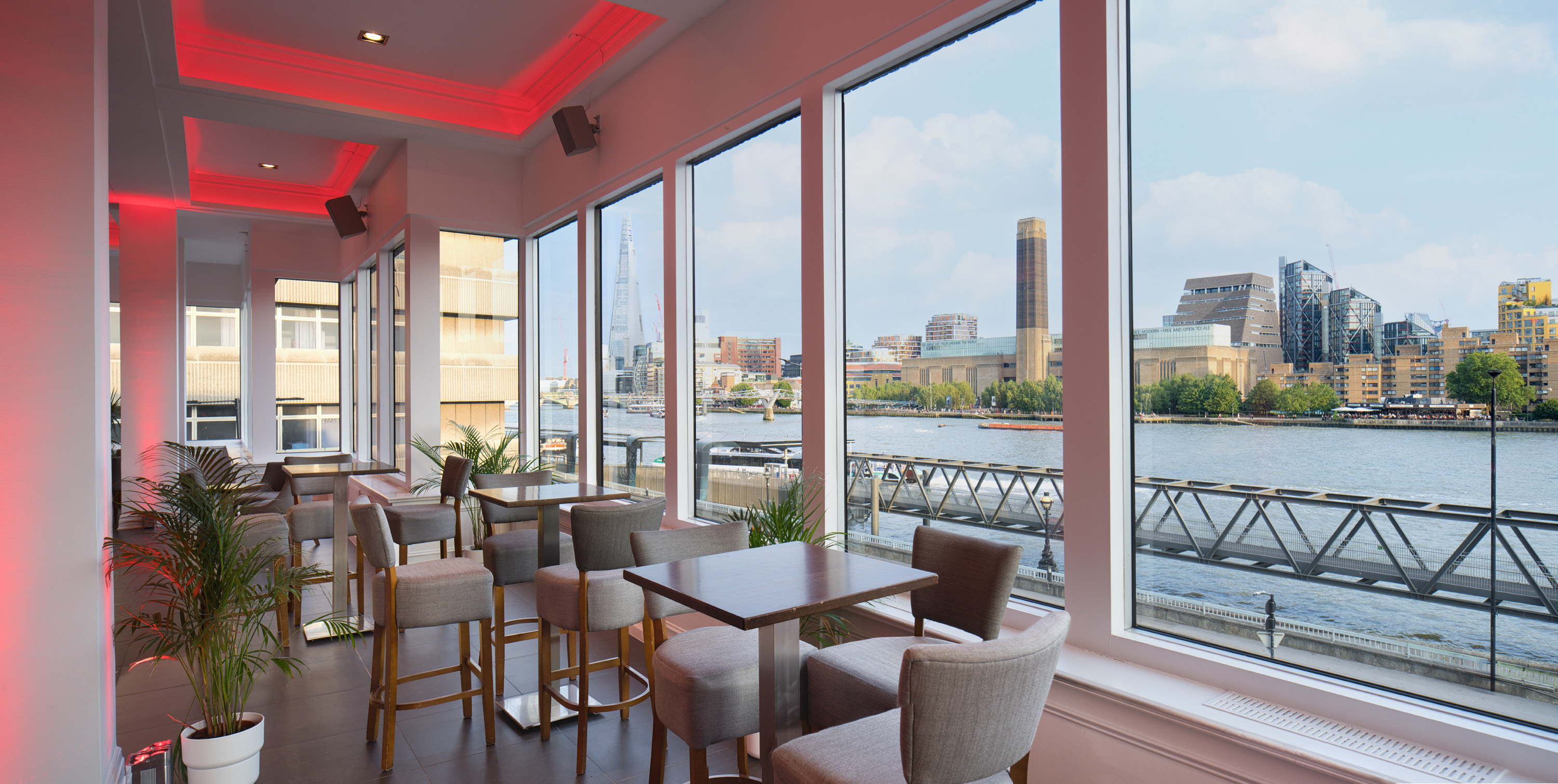
Inspiration
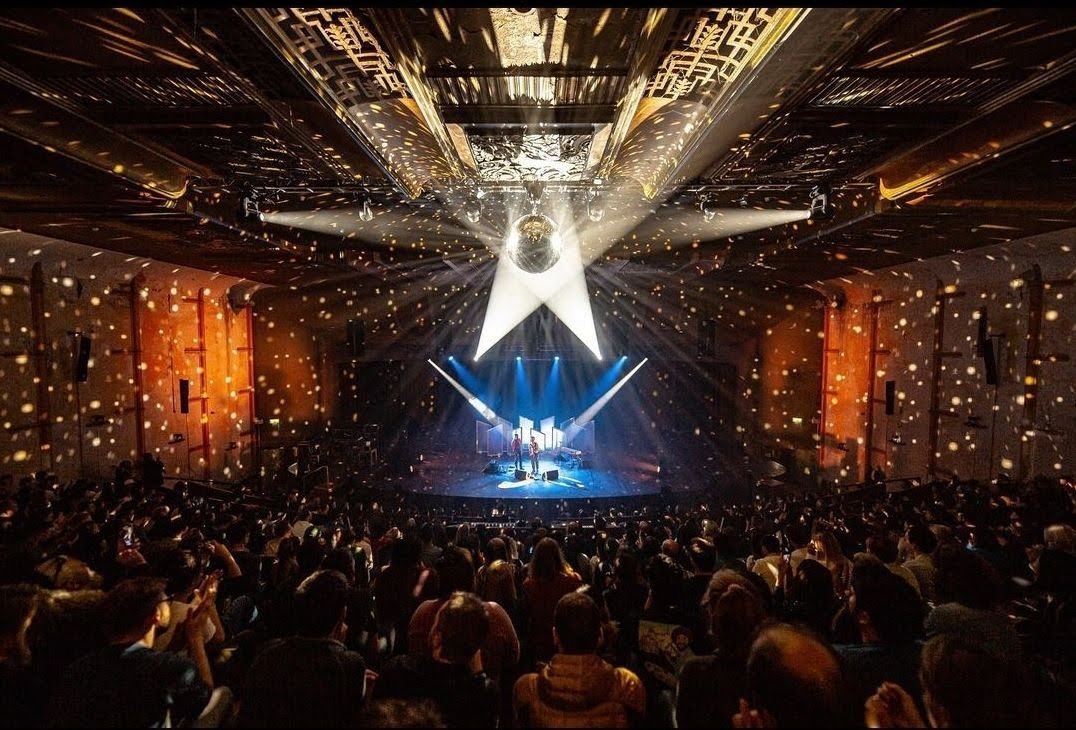
Curated venue imagery keeps the page feeling editorial while visitors scan the guidance below.
Finding the right conference venue in London takes time, unless you know where to look. EventCage is a curated venue sourcing platform built specifically for corporate and professional event organisers. Every venue on the platform has been reviewed for quality, so you’re not wading through irrelevant or outdated listings.
We make it easy to compare venues side by side, capacity, AV setup, catering options, location and price. Rather than contacting dozens of venues individually, you can browse, shortlist and get in touch with your preferred spaces all from one place. It’s faster, cleaner and far less stressful than the traditional route.
EventCage is free to use for event organisers. There’s no commission, no booking fee and no obligation. We simply connect you with the right venue, faster.
London’s conference venues are spread across the city, with strong clusters in several key business and cultural districts. The area you choose will affect delegate travel time, accommodation options and the overall feel of your event.
The City & Canary Wharf are London’s financial heartlands and home to a high concentration of hotel conference suites, corporate event spaces and purpose-built meeting centres. These areas are ideal for formal, high-capacity corporate conferences with easy transport links.
King’s Cross & Euston offer some of London’s most modern conference facilities, with excellent rail connections from across the UK — making them a top choice for national delegate conferences.
Mayfair & Westminster suit premium events and executive conferences, with grand hotel ballrooms, private members’ clubs and heritage venues available for more prestige-focused occasions.
Shoreditch & East London appeal to brands and organisations looking for creative, non-traditional conference spaces — converted warehouses, loft studios and contemporary arts venues that create a lasting impression.
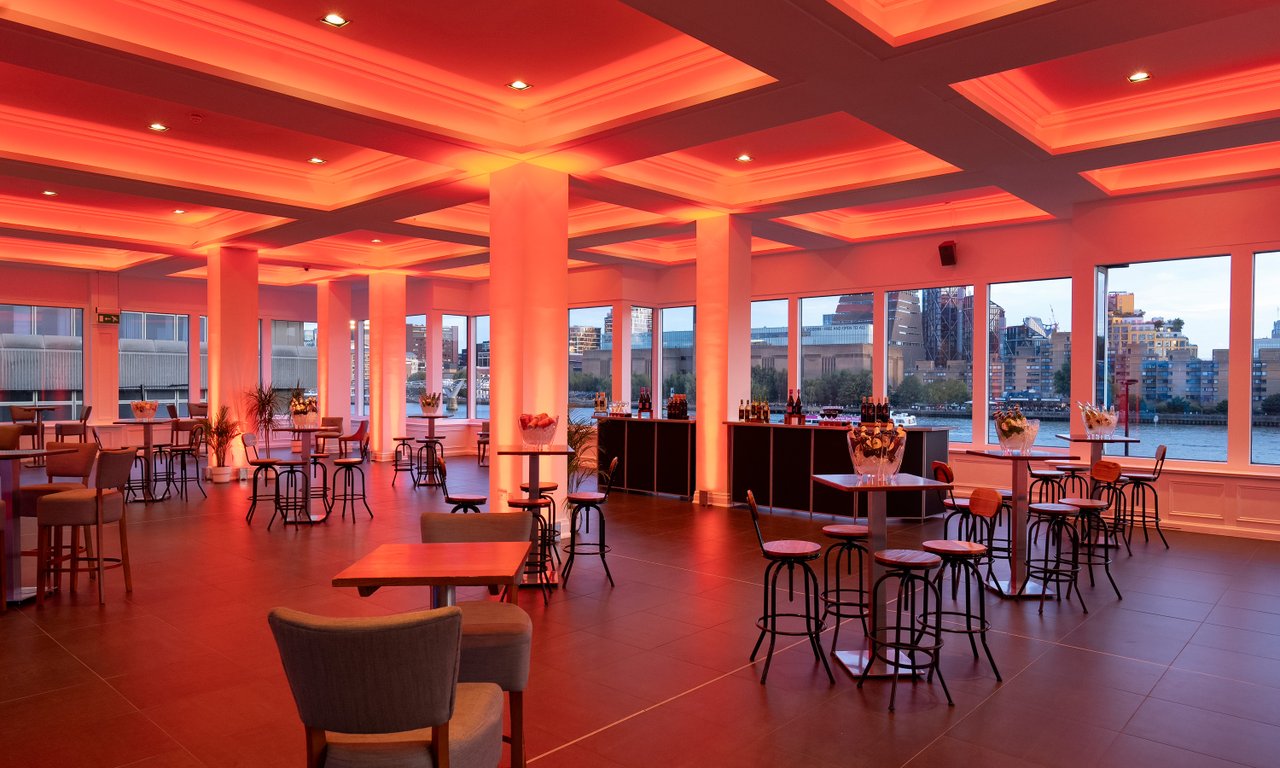
South Bank & Bermondsey offer a growing number of flexible conference venues with stunning Thames views and strong transport links from London Bridge and Waterloo.
Whatever area suits your delegates and your brief, EventCage has conference venues in London to match.
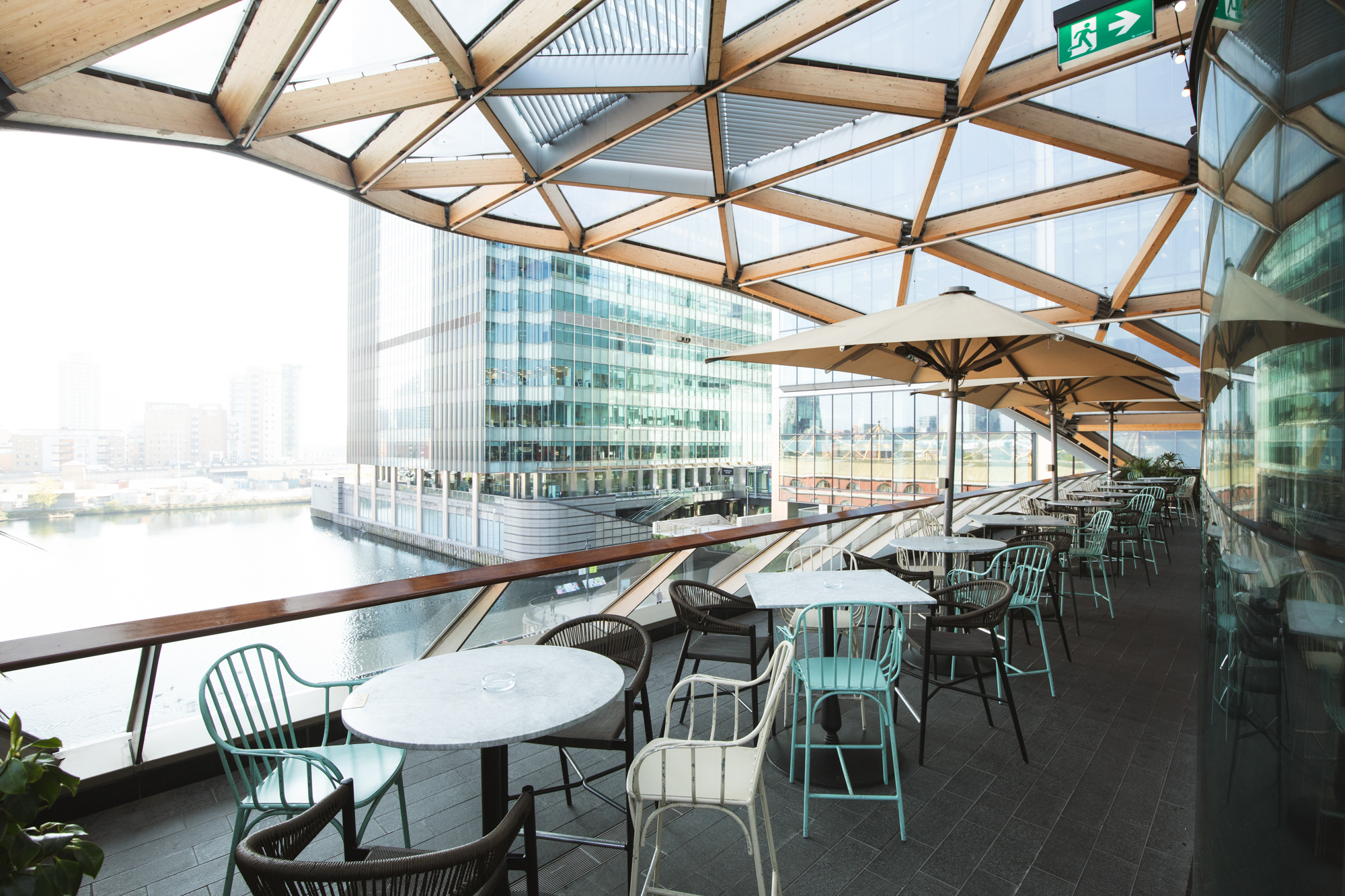
Venue mood
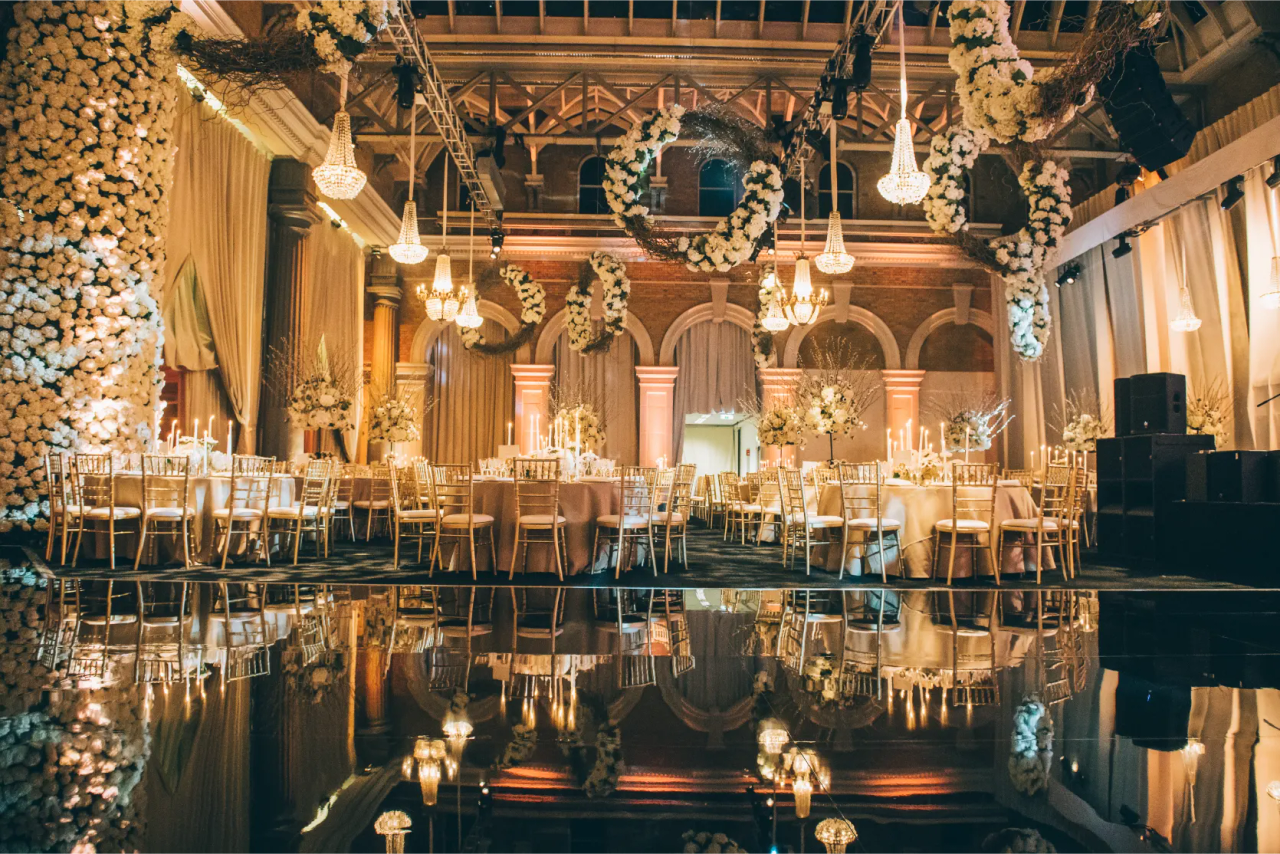
Strong visual breaks help the long-form copy feel easier to read without losing the premium look.
London offers a wider variety of conference venue types than almost any other city in the world. Understanding the differences helps you match the right space to your event format, audience and tone.
Hotel Conference Suites are the most commonly booked option for corporate conferences. Major hotels across the City, Canary Wharf, Mayfair and Kensington offer dedicated conference floors with fully equipped rooms, on-site catering, breakout spaces and accommodation for delegates. They’re reliable, professionally managed and easy to scale up or down.
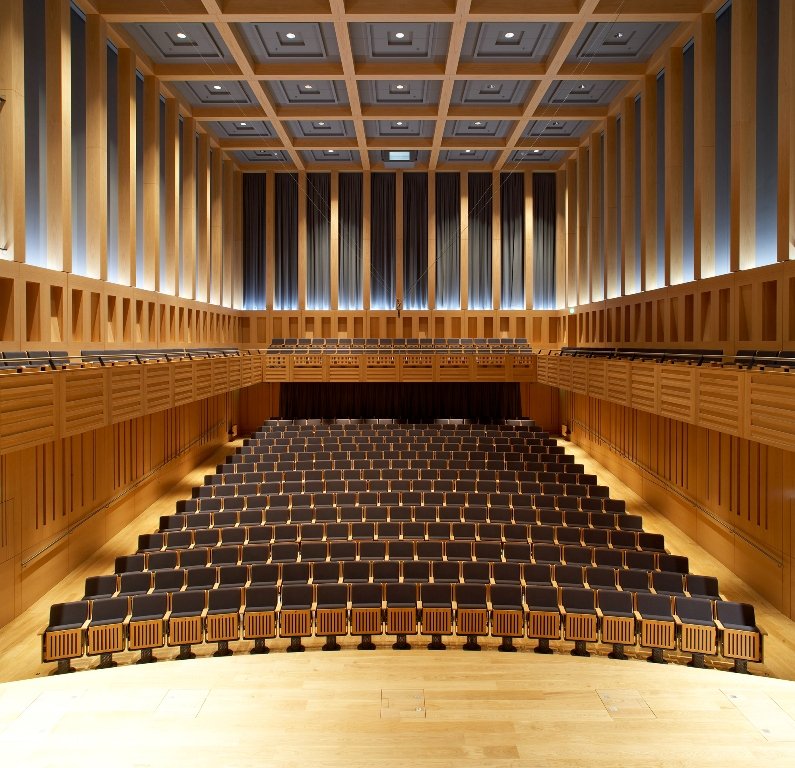
Purpose-Built Conference Centres are designed exclusively for conferences and large-scale meetings. They offer the highest technical specifications, tiered seating, built-in AV infrastructure, large breakout areas and dedicated events teams. Conference centres in London are particularly well-suited to events with 200+ delegates or complex technical requirements.
Unique & Character Venues - converted warehouses, historic livery halls, arts institutions and rooftop spaces — are increasingly popular for organisations that want their conference to feel distinct. These spaces work well for brand-forward events, leadership summits and conferences where the environment itself is part of the message.
University & Academic Venues offer large lecture theatres, seminar rooms and campus facilities, often at more competitive rates than hotel alternatives. Many London universities hire their spaces commercially during term breaks and some year-round.
Private Members’ Clubs & Townhouses in Mayfair, St James’s and Soho suit executive-level meetings and senior leadership conferences where privacy, prestige and an intimate atmosphere are priorities.
Capacity is one of the most important — and most misunderstood — factors when choosing a conference venue. A room’s stated capacity changes dramatically depending on the layout you choose.
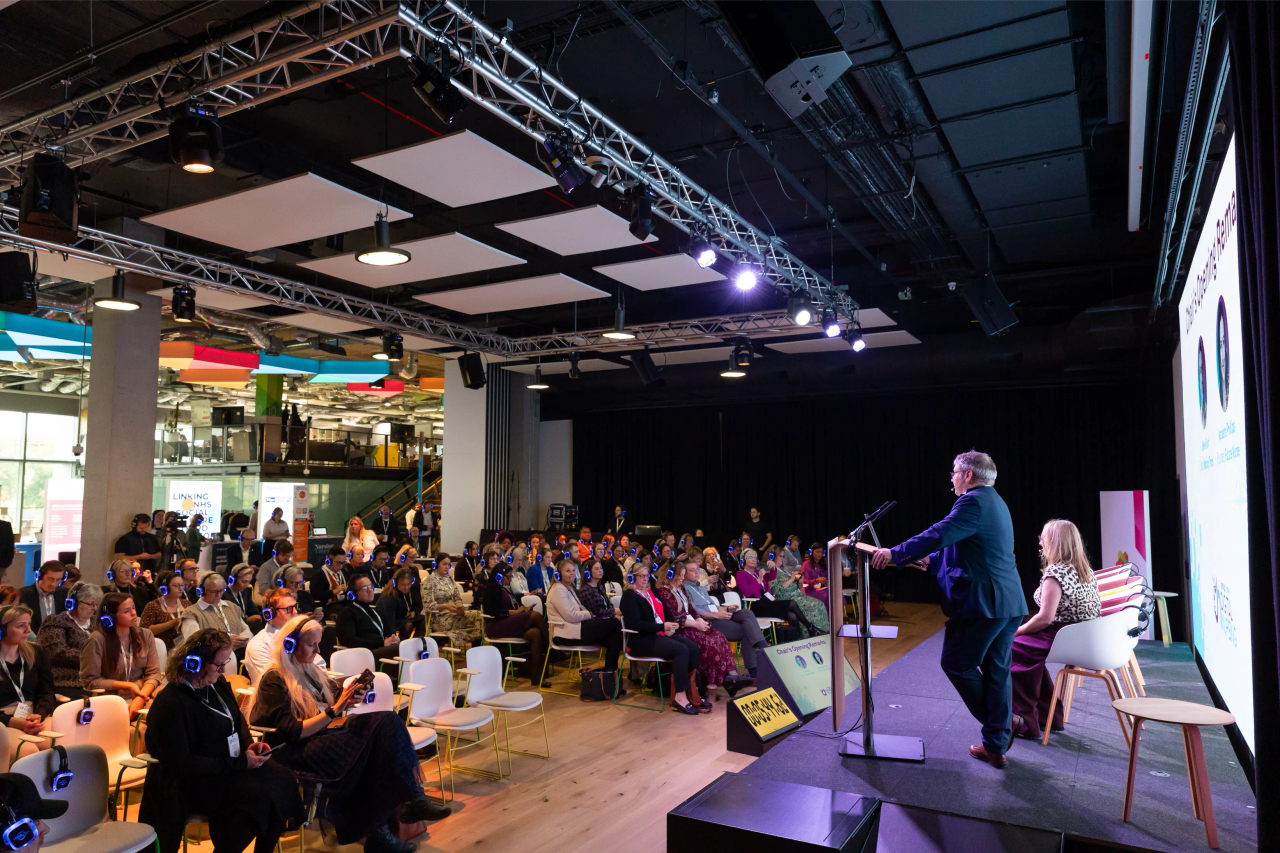
Theatre style — rows of seats facing a stage or screen — gives you the highest delegate count per square metre. A room that holds 200 in theatre layout might only hold 80 in classroom style and 30 in boardroom format.
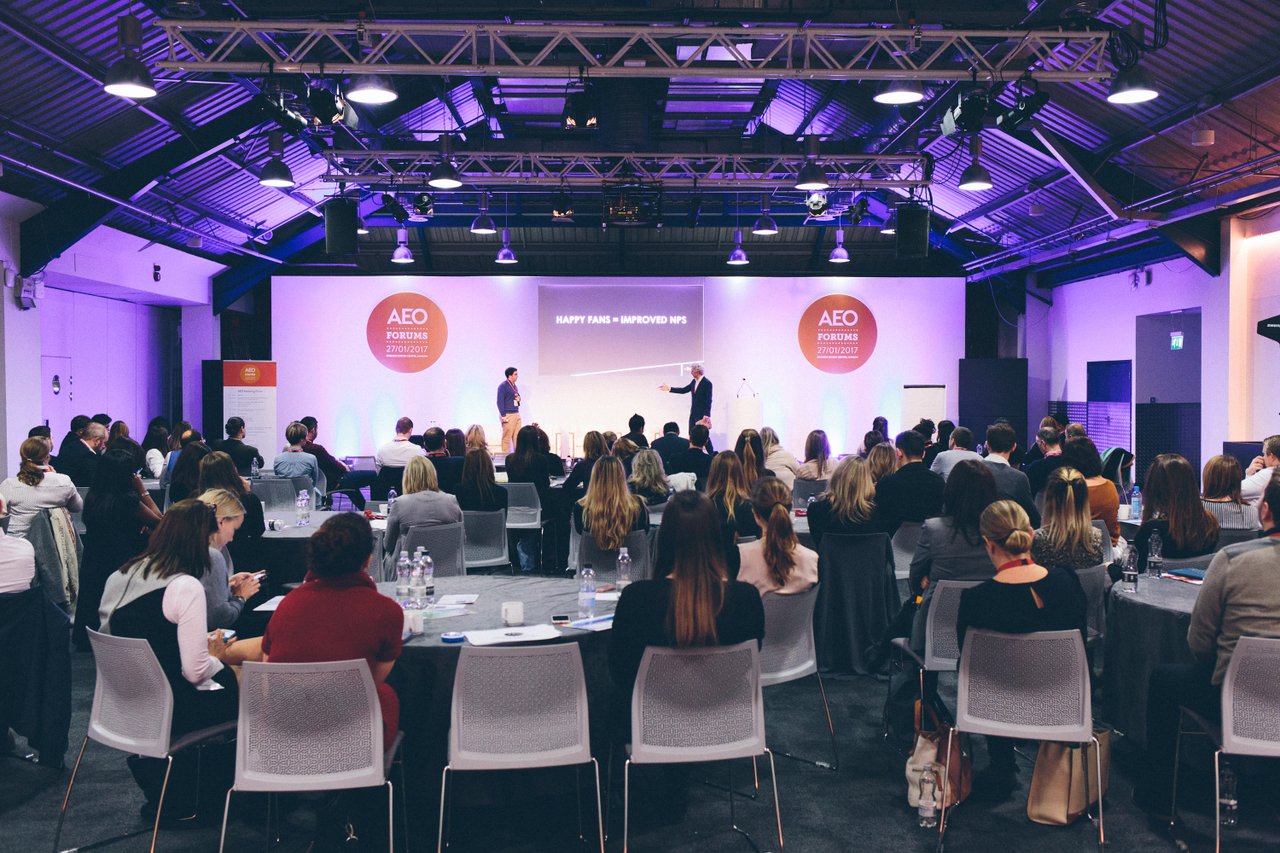
Classroom style — delegates seated at tables facing forward — is ideal for training sessions, seminars and workshops where note-taking and participation are required. Expect roughly 40–50% of theatre capacity.
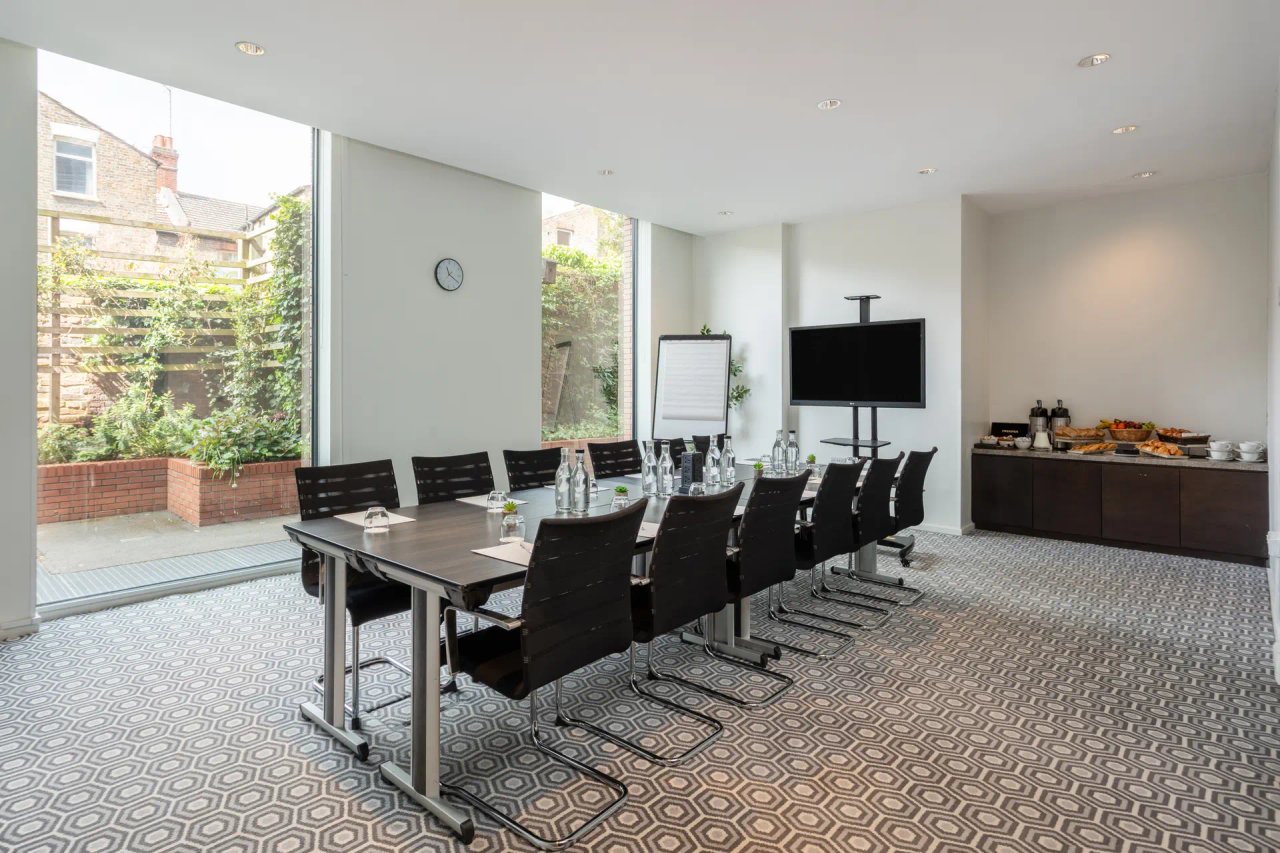
Boardroom style — all delegates seated around a central table — is the standard for executive meetings, board sessions and roundtables. This layout works best for groups of 10–30 where discussion and eye contact matter.
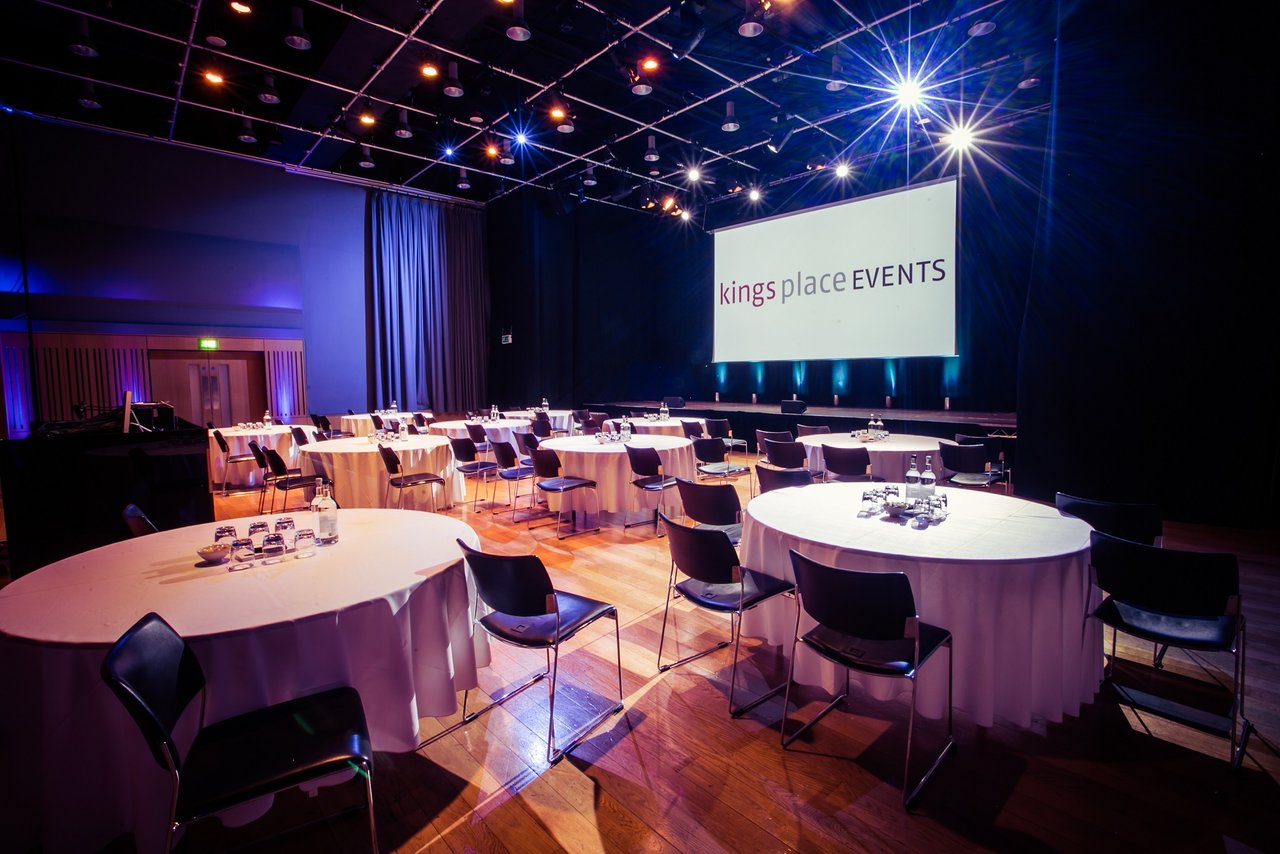
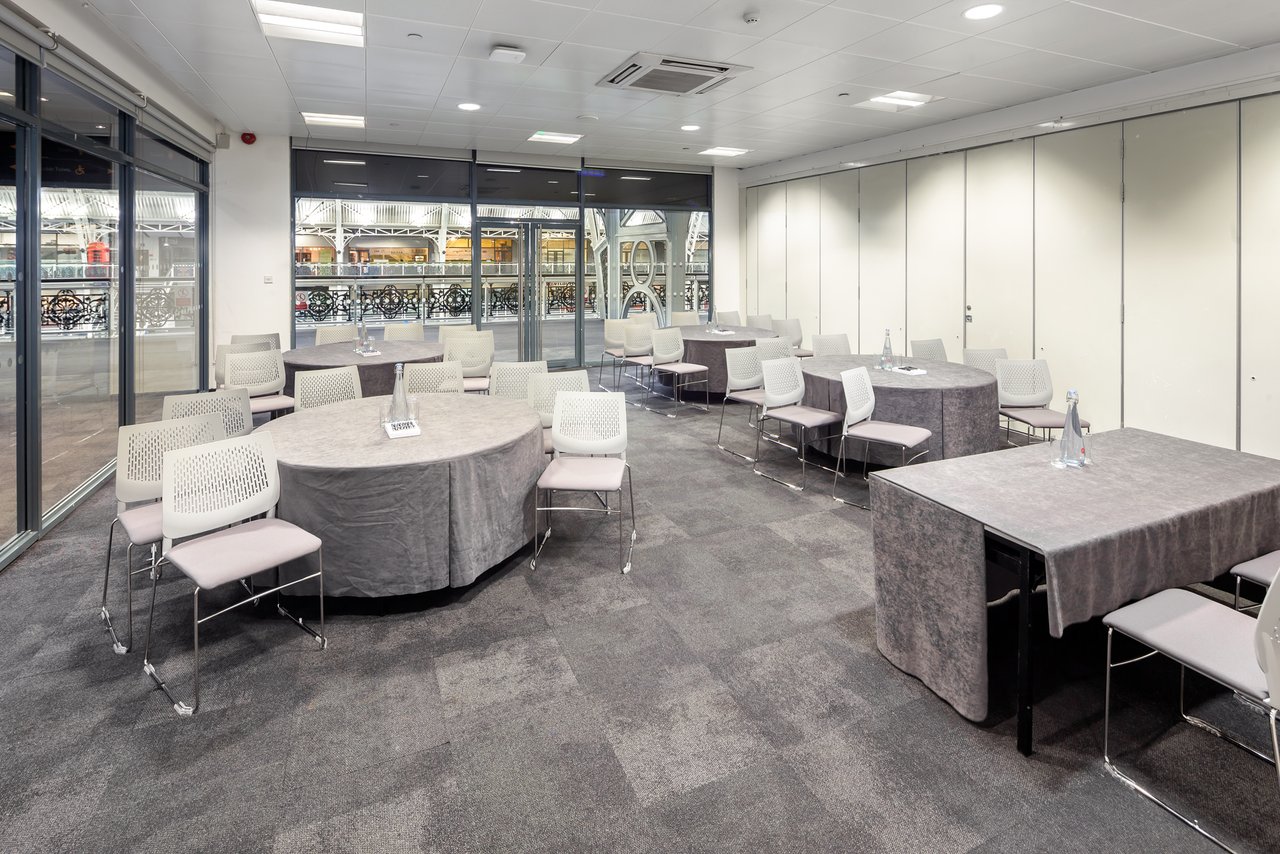
Cabaret style — round tables with chairs facing one direction, suits conferences that include both presentations and group discussion or networking elements.
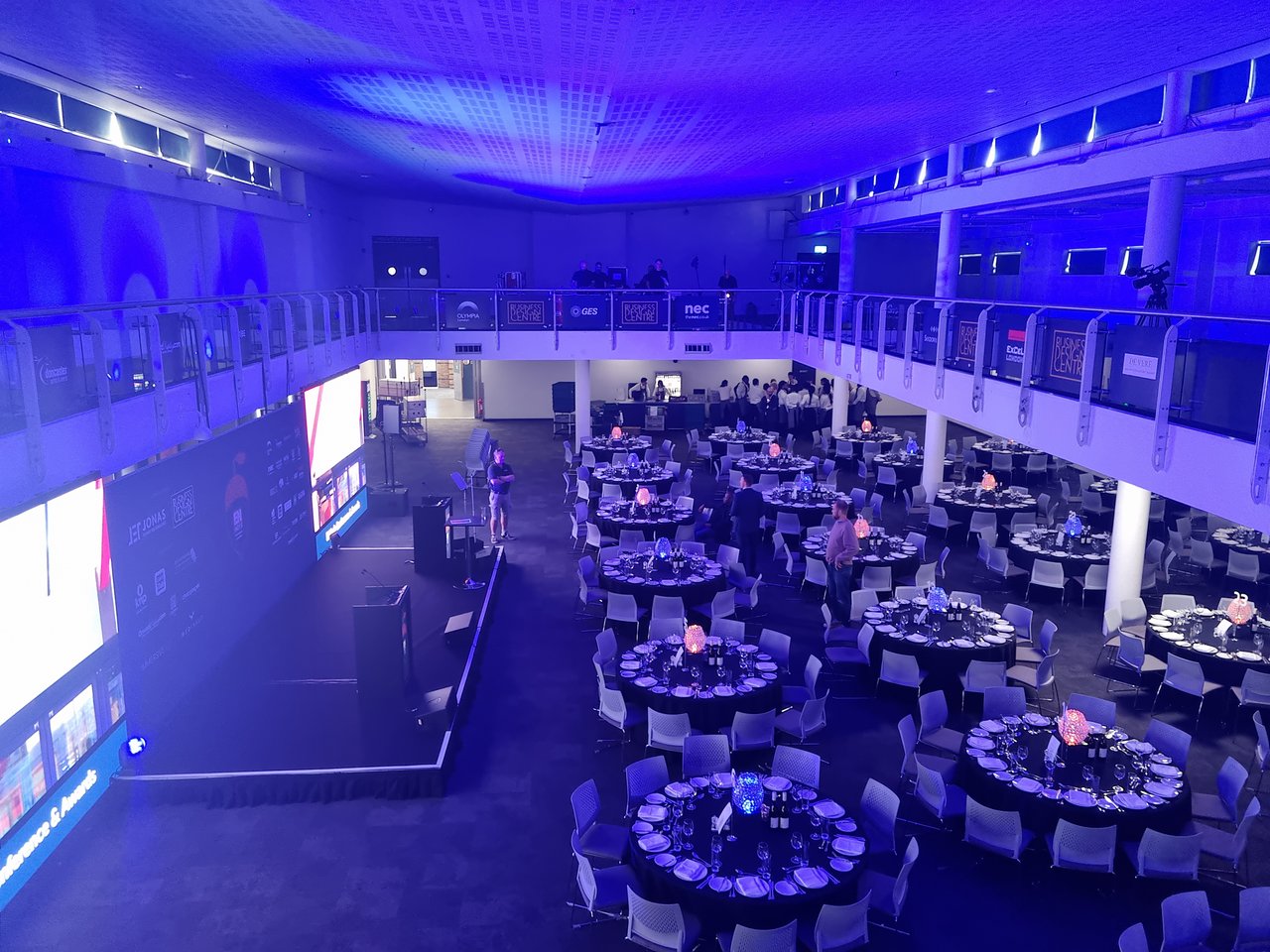
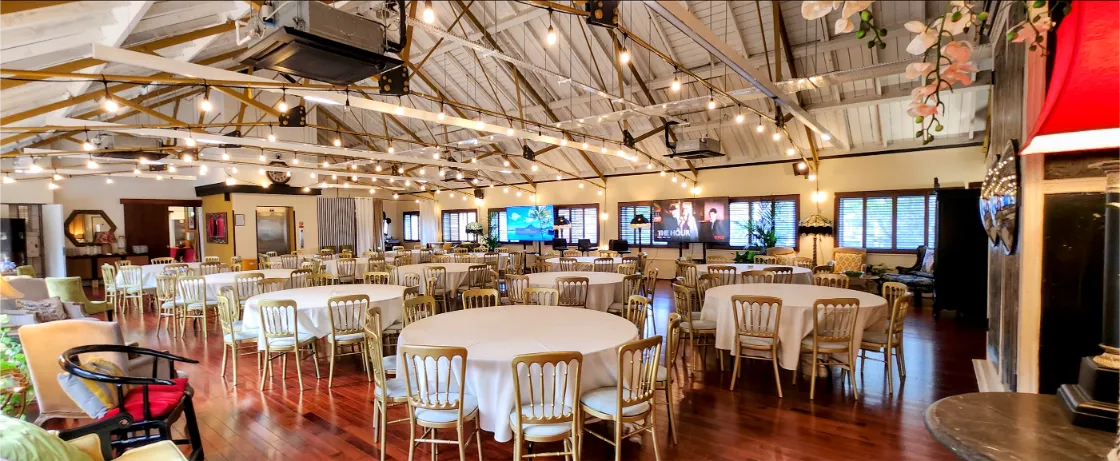
Banquet style — full round tables are typically reserved for award dinners and gala events rather than working conferences, but some conferences use an evening banquet format.
When enquiring about a venue, always ask for the capacity in your specific intended layout rather than the maximum figure. Also, confirm whether that number includes a stage, AV equipment and the presenter’s space; these elements reduce usable floor area and can bring stated capacity figures down by 10–20%.
For larger events in London, many conference venues can combine adjacent rooms or open dividing walls to increase capacity; worth asking about if your headcount is on the borderline.
London conference venue pricing varies enormously based on location, size, day of the week and what’s included in the hire. Understanding the different pricing structures helps you compare venues like-for-like and avoid hidden costs.
Room hire only is the base price for use of the space, usually quoted as a half-day or full-day rate. This typically does not include AV equipment, catering, staffing or parking. Small meeting rooms in central London start from around £350–£1200 for a half day. Mid-sized conference rooms range from £800 to £5,000 per day. Large-capacity spaces and dedicated conference centres range from £5,500 to £15,000+ for a full day.
Day delegate rates (DDR) are all-inclusive packages that bundle room hire with refreshment breaks, lunch and often basic AV. DDR packages across London typically run from £45–£75 per person for mid-range venues and £80–£120 per person for premium hotel and conference centre options. DDR packages are usually a better value than booking components separately and make budgeting significantly easier.
24-hour delegate rates include overnight accommodation, dinner and breakfast, in addition to the full conference day package, which is common for residential away days and multi-day events. Expect £150–£350 per person per night, depending on the hotel and area.
AV and technical costs are frequently not included in basic room hire prices. Projectors, screens, microphones, event Wi-Fi and AV technician time are often charged separately — budget an additional £300–£1,500 depending on your technical requirements.
Day of the week matters significantly. Monday and Friday conference hire is typically 15–30% cheaper than Tuesday–Thursday, when demand peaks. If your delegates can flex their travel, booking a Monday conference in London can yield meaningful savings.
VAT is charged on top of all venue hire prices in the UK. Always confirm whether quoted prices are ex-VAT or VAT-inclusive when comparing venues.
Book 4–6 weeks ahead as a minimum. London conference venues, particularly in the City, Canary Wharf and King’s Cross — fill up quickly on Tuesdays, Wednesdays and Thursdays. For events of 200+ delegates or high-demand venues, book 3–6 months in advance.
Always ask for the room in your intended layout. Capacity figures are almost always quoted at maximum (theatre style). Ask specifically for your layout — classroom, boardroom, cabaret — to get an accurate picture of whether the space works for your group.
Get a full AV spec in writing. Confirm exactly what AV is included in the hire price: projector or LED screen, number of microphones, Wi-Fi speed and whether a technician is on-site. Unexpected AV costs are among the most common sources of budget overruns at conferences.
Ask about exclusivity. Confirm whether other events will be running in adjacent rooms during your conference. Noise bleed and shared foyers can be disruptive, particularly for presentations and panel sessions.
Clarify the cancellation and postponement policy before signing. Industry-standard cancellation policies typically charge 25–50% of the hire fee if cancelled within 8 weeks and up to 100% within 4 weeks. Make sure you’re comfortable with the terms before committing.
Visit the venue before confirming. Photographs and floor plans don’t capture natural light, acoustics, ceiling height or the feel of a space. A short site visit — or, at minimum, a video walkthrough — is worth doing for any meaningful-scale conference.
Negotiate on quiet periods. Venues have pressure to fill space on slower days. If your date is flexible, a Monday or Friday conference in January or February can yield significant discounts versus peak season.
Confirm delegate arrival logistics. Check where delegates register on arrival, whether there’s a cloakroom, where catering is served and how signage works within the venue. These operational details make a real difference to the delegate experience on the day.
Over 1,000 vetted London venues. Free concierge matching with fast turnaround. No booking fees or hidden commissions. Trusted by individuals, corporate teams, and professional event planners across the UK. Every venue in our directory is assessed for suitability for private events before listing.
London is one of the world’s most established conference destinations, with thousands of venues spanning every size, style, budget and borough. Whether you need an intimate boardroom for a leadership session, a theatre style venue for a keynote-led conference, a panel talk venue for a debate-format event, or a large conference venue for 500+ guests, the right space exists in London.

Spotlight
Find a show-stopping venue in seconds
AI search
Describe what you need and get curated options instantly, no endless filters.
Example query
Jump in
Try the AI search now