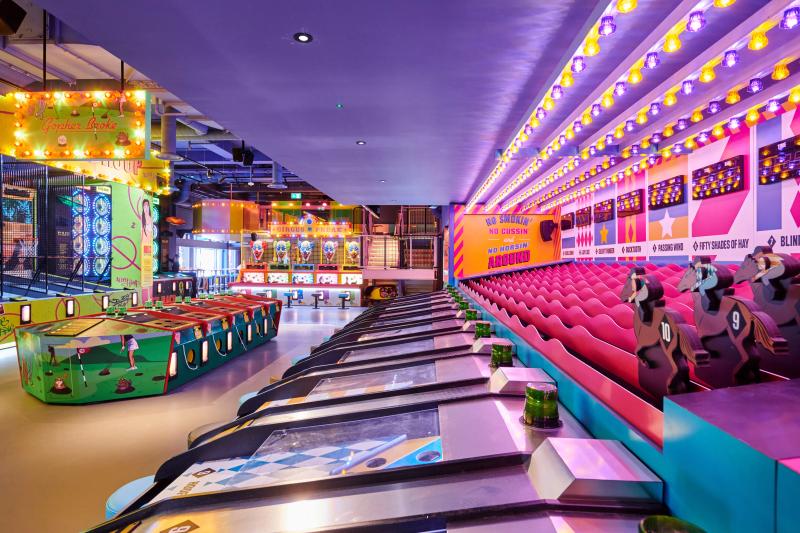
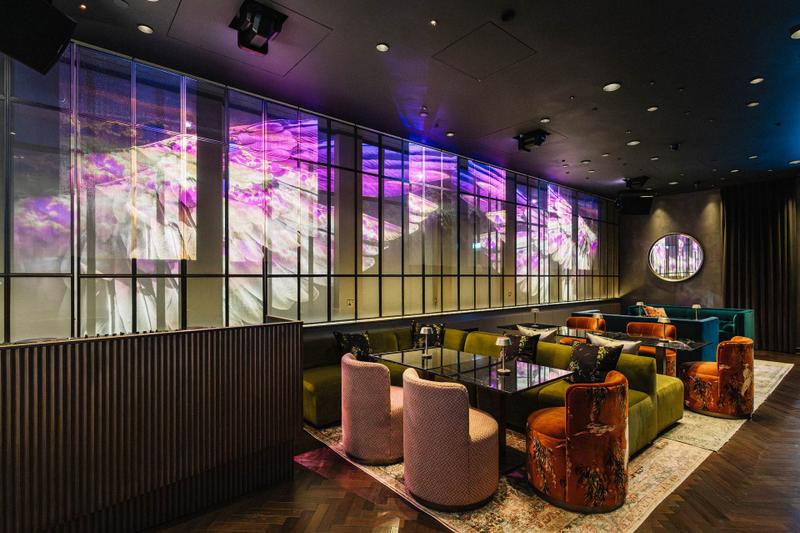
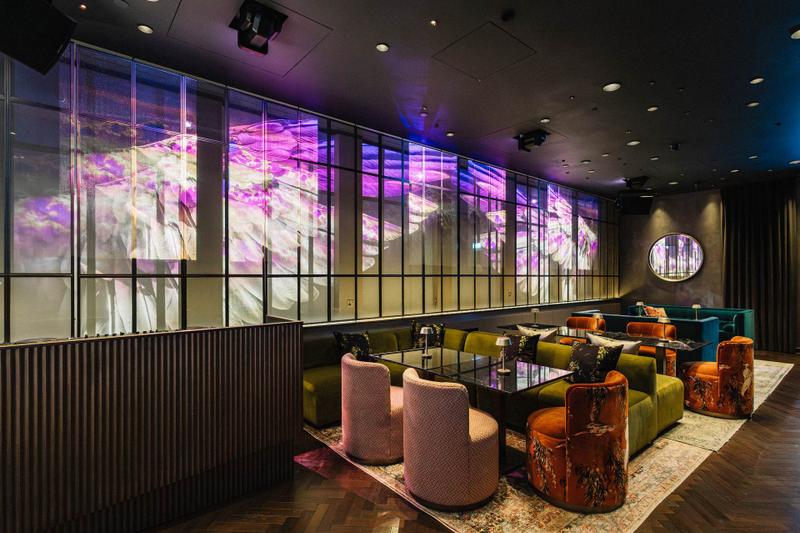
The short answer: choose the venue by what the day is for, then by headcount, then by budget. A strategy or workshop day needs a quiet, daylit room with flexible seating, and a team building day needs a venue that runs the activity for you. Mixing the two up is how away days get wasted. Compare options on our away day venues page, shortlist three, and ask the questions in this guide before you commit.
What is your away day actually for?
Most disappointing away days fail before the venue is even chosen. The brief was vague, so the room was wrong. Settle the purpose first, because it decides almost everything else.
- Strategy or planning day. People need to think, talk and write. You want a private room, natural light, a screen, wall space and quiet. Entertainment is a distraction.
- Workshop or training day. Similar needs, but with more attention to layout: cabaret or café-style tables, breakout space and reliable Wi-Fi. See our workshop spaces.
- Team building or reward day. The activity is the point. Look at venues built around something to do, such as golf, VR or karaoke, rather than a plain room you then try to fill. See our team building venues.
Many teams want a bit of both: work in the morning, something social after lunch. That is fine, but check that the venue can genuinely do both, or plan to split the day across two spaces.
One published planning guide suggests a focused workshop can suit a half day, while an outdoor challenge typically takes a full day (source). That is a useful test: if your agenda is one big session, you may not need a full day's hire at all.
How many people are coming, and what does that mean for the venue?
Headcount narrows the field faster than anything else.
- Up to about 20. A meeting room or a small private space works. You may not need a venue with a catering team. See our meeting rooms.
- 20 to 60. This is the sweet spot for seminar rooms, boardroom-style spaces and smaller event rooms. Our venues for 50 people page is a good starting point.
- 60 to 150. You are into hotel function rooms, loft spaces and bar venues. Layout and breakout space matter more here.
- 150 and above. Fewer venues work, and a day of mostly sitting still becomes harder to run. Consider a conference-style venue with hybrid capability.
One thing catches people out: the capacity figure on a listing depends on the layout. A venue may list a standing number, a seated number and a dining number, and they differ a lot. For an away day you will probably want tables and chairs, so ask what the capacity is in your layout, not the headline number.
How much do London away day venues cost?
Pricing comes in three shapes: a room hire fee, a per-person package, or a minimum spend (common in bars and activity venues). They are not directly comparable, so ask every venue for a total for your date, headcount and format.
For rough orientation, one conference-space operator's market data puts London conference space at roughly £45 to £180 per delegate per day, with mid-market workshop spaces for 15 to 50 people around £55 to £120 per head. The same source says central London costs 30 to 50% more than King's Cross, Canary Wharf or Stratford for equivalent space (source). If your team can travel a few stops out of the centre, that is the quickest way to save money.
If you are building a budget line by line, one operator publishes its own figures: venue hire for eight hours at £960 to £2,360, lunch at £13.20 to £34.50 per person, and tea and coffee at about £7.26 to £7.59 per person (source). Those are one provider's numbers, not a London average, but they show how much catering adds on top of the room.
Also check what a day delegate rate includes. Two rates at similar prices can cover very different things: room hire, lunch, breaks, AV and a coordinator. Compare like with like.
Which type of venue suits which format?
Quiet meeting and seminar rooms: best for strategy days
If the day is about thinking, a seminar room is hard to beat. Stationers' Hall - Seminar rooms sit near Bank and are described as ideal for team briefings and presentations. They can be used open-plan or as three independent rooms, with space for 60, and the listed hire fee is £350. That flexibility suits a day that moves between plenary and group work.
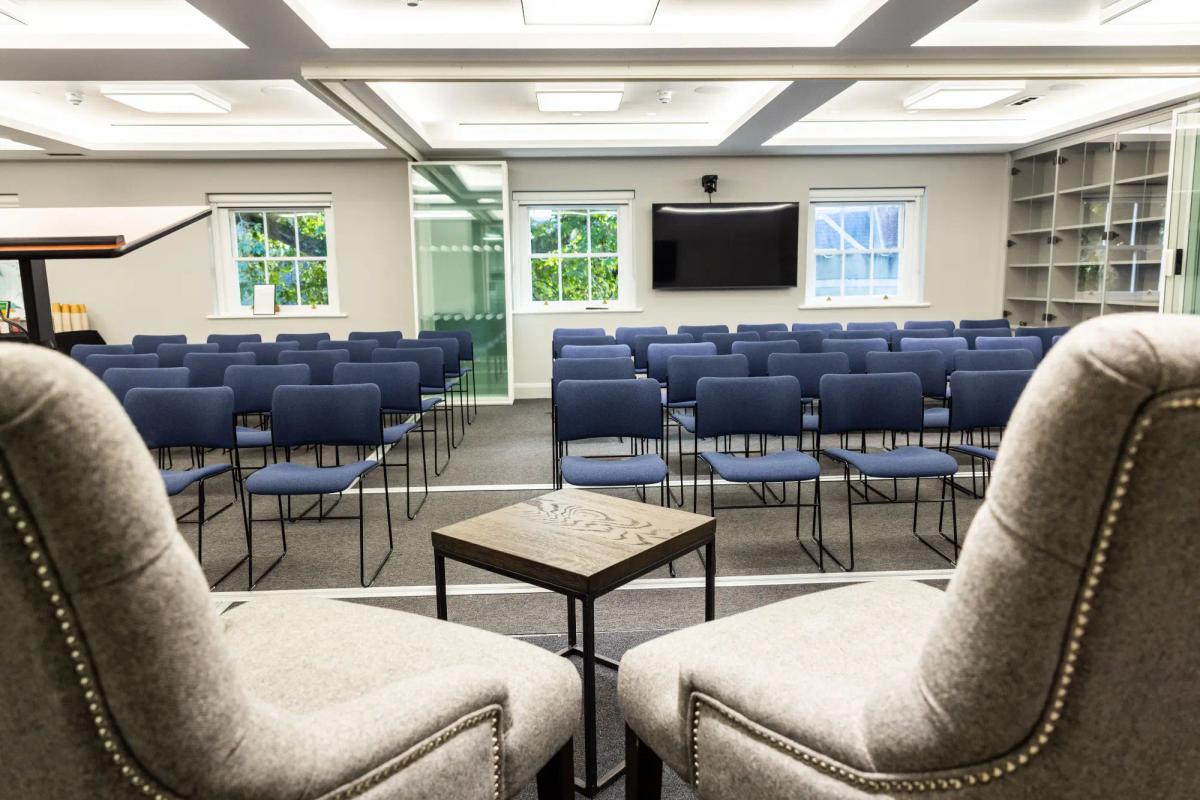
For a smaller group, The Worshipful Company of Carmen - The Ratcliff Suite is a conference space near Chancery Lane for up to 40 seated. Pricing isn't listed, so you would need to enquire.
Workshop-friendly event spaces: best for working sessions
Encode Hub - Event Space in Shoreditch is designed for talks, panels and workshops, with room for 50 seated or 80 standing. It is a sensible fit for a team that wants a working day with a drinks reception at the end.
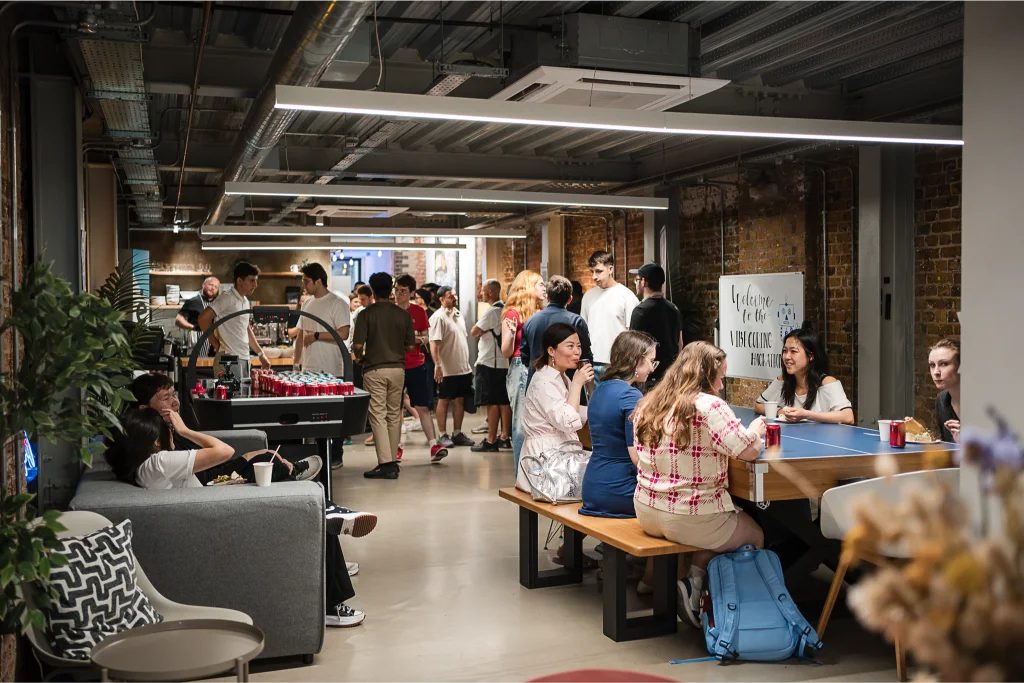
For larger groups, The Tomlinson Centre in Haggerston holds up to 160 seated and is described as a flexible, affordable conference venue with hybrid setup. That is useful if some of your team will join remotely.
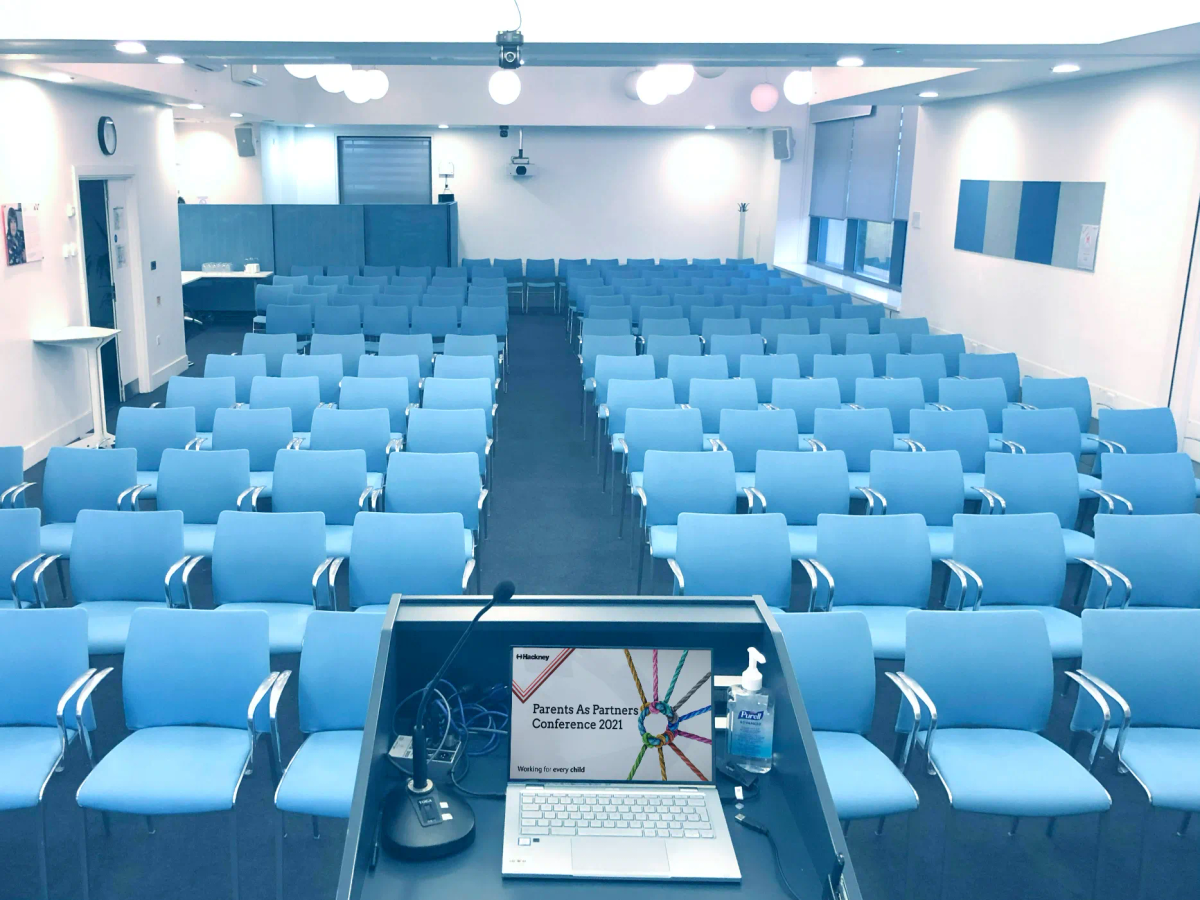
Hotel function rooms: best for a polished day with natural light
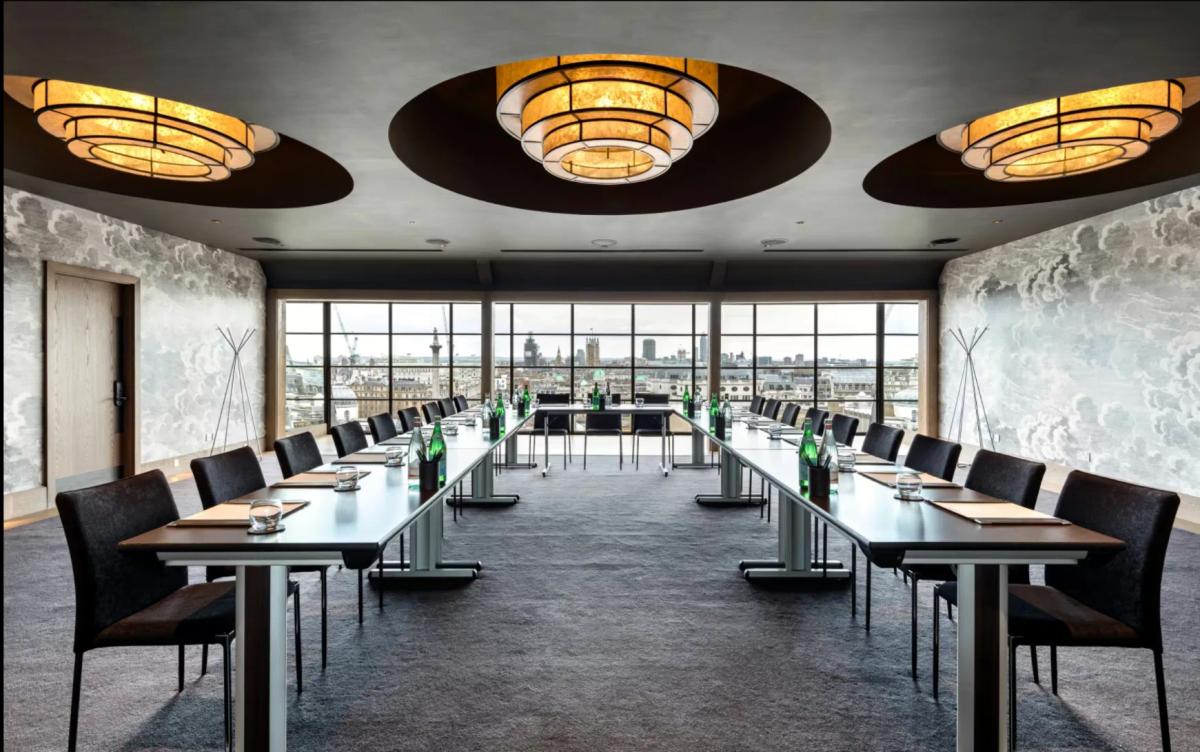
Skyline Penthouse at Leicester Square is a top-floor private room in a hotel with floor-to-ceiling glazing, so you get daylight and views. It holds 100 seated, and the listing shows £85 per person plus a £1,500 hire fee. It suits a larger leadership or all-hands day where you want the room itself to feel like an occasion.
Activity venues: best for team building
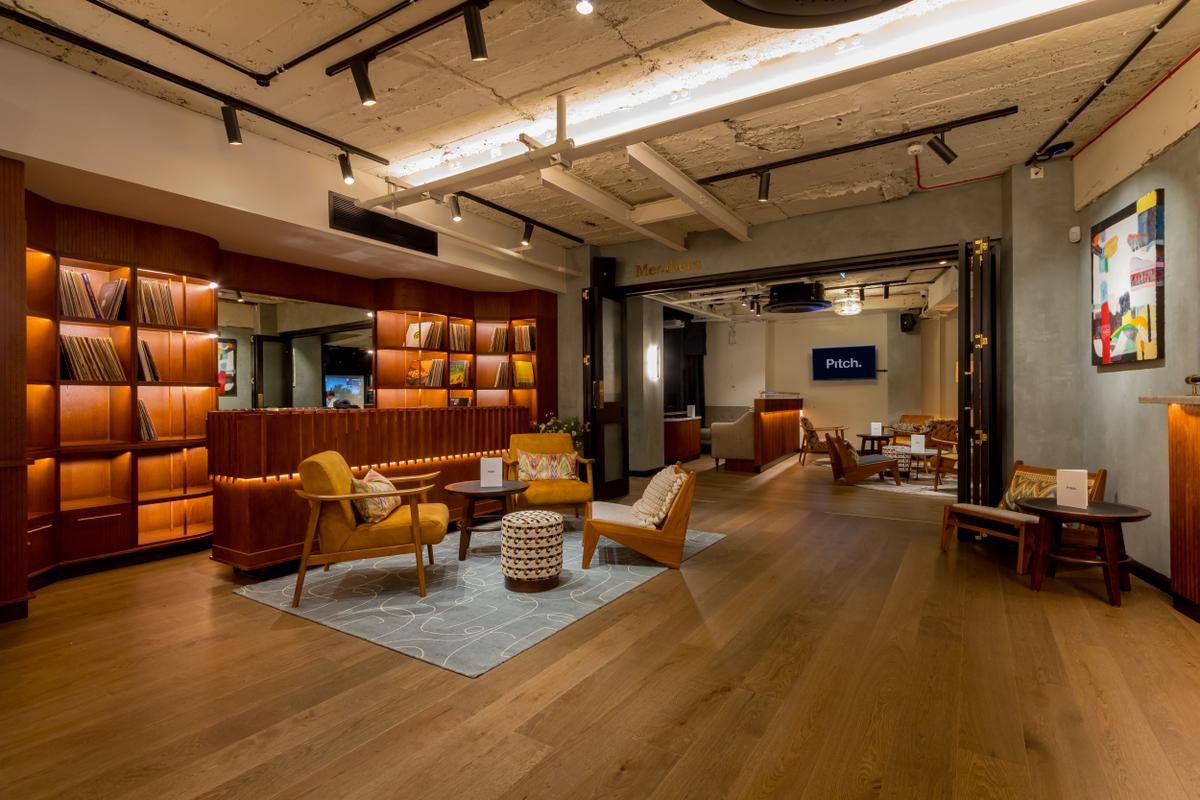
If the goal is bonding rather than output, pick a venue with the activity built in. Pitch Soho is an indoor golf club near Piccadilly Circus, listed for corporate functions and team building, with a minimum spend of £2,000 and space for 200 standing. Navrtar in Ealing is a free-roam virtual reality venue at £40 per person, with room for 78 standing or 36 seated, so it works for smaller teams who want something different.
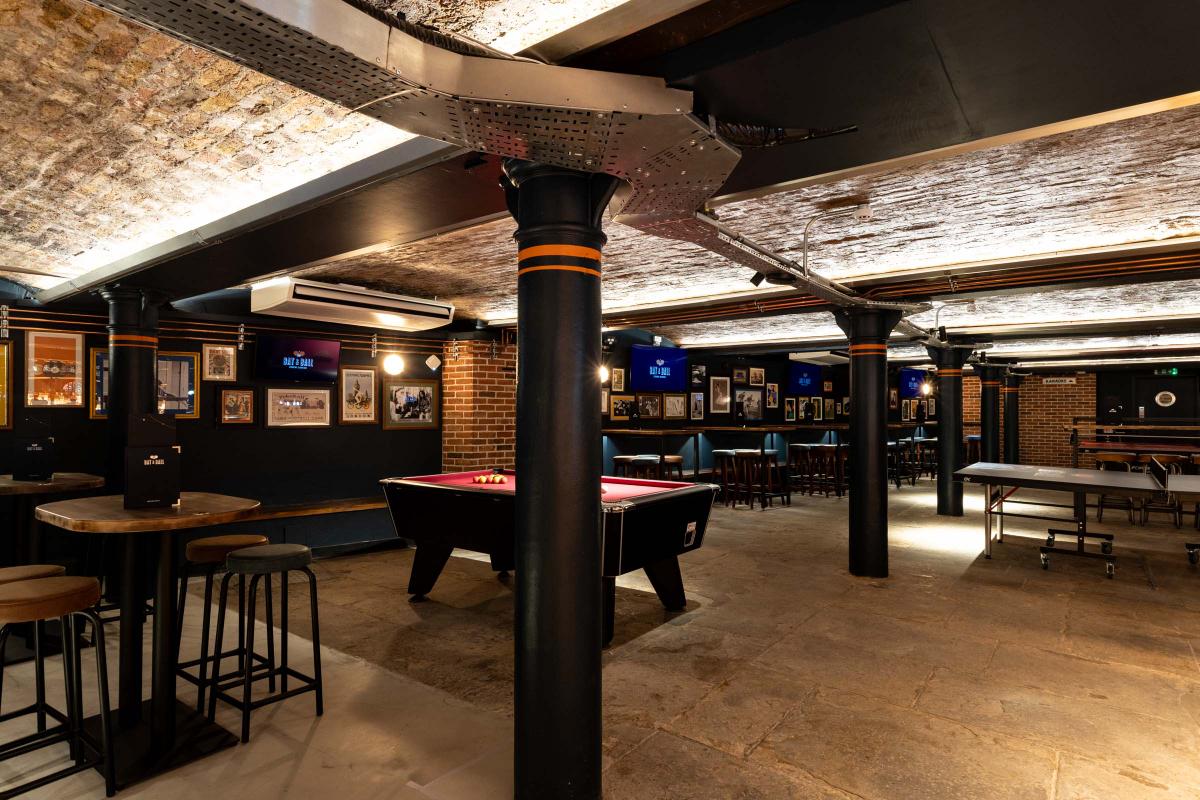
Bars with private rooms sit in between. Bat & Ball Covent Garden - Ping Pong Parlour is listed for business meetings and workshops as well as parties, at £35 per person, with space for 100 seated. That makes it a realistic option for a hybrid day: a morning session, then ping pong.
Do you need an away day venue in central London?
Not necessarily. Central London is convenient, because almost everyone can reach Holborn, Bank or Leicester Square on one train. You pay for that convenience, as the cost figures above suggest.
It is worth asking whether your team is spread across the city. If half of them commute from the east, a venue near Old Street, Haggerston or Hackney Wick can be easier to reach than one in the West End, and often cheaper. Check the nearest station and the walk, and think about how people will arrive on a cold morning in Q1.
What should you ask before you enquire?
A good enquiry gets you a usable quote the first time. Send the date, headcount, format and start and finish times, then ask:
- What is the capacity in my layout? Cabaret, boardroom and theatre differ.
- Is it exclusive use? A private room in a busy bar or hotel can still have noise nearby.
- What is included? Room hire, screens, flipcharts, Wi-Fi, a coordinator, tea and coffee.
- Is the price a hire fee, a per-person rate or a minimum spend? And does it exclude VAT or service charge?
- What are the catering options? Lunch, breaks and dietary requirements.
- What time can we access the room for set-up? And when must we be out?
- Is the room step-free and are there accessible toilets?
- What are the cancellation and date-change terms? Plans can move, so know what a change would cost.
Plan the agenda with the room in mind. One team building provider suggests building in 10 to 15 minute buffers between sessions and allowing at least 45 minutes for lunch and informal conversation (source). A venue that cannot give you a decent break area makes that harder than it sounds.
How should you plan the booking for a January or Q1 away day?
There is no single rule for how far ahead to book, because it depends on your group size and how fussy you are about the venue. What helps is working in the right order, backwards from your away day date:
- First: settle the purpose, headcount and a rough budget. Ask your decision-maker to approve a range, not a single figure.
- Next: shortlist venues, send enquiries to three or four, and ask for total costs on your actual date. A popular central venue on a midweek day can be harder to get, so ask early.
- Then: view your top choice if you can, confirm the booking and agree catering and layout in writing.
- Closer to the day: lock the agenda and check access and set-up times with the venue.
- Two weeks out: send the agenda, timing, transport and dietary details. A team building provider suggests this timing, followed by a final reminder one week before with the start time, location and any last-minute changes (source).
A small team in a meeting room can book closer to the date. A group of 100 or more in a central venue should start sooner. If your date is in Q1, begin the shortlist as soon as the date window is agreed.
What makes an away day worth the money?
The venue is one part. The rest is a clear purpose, an agenda with two or three substantial activities rather than ten small ones, and time for a debrief at the end so the ideas turn into actions. A good room supports that. A great room cannot rescue a day with no point.
If you want help narrowing the choice, browse our corporate events venues or start with the away day venues list, compare a few, and enquire free. We will pass your details to the venues you choose so you can get quotes side by side.
Frequently asked questions
What is the best type of venue for a team away day in London?
It depends on the purpose. For strategy or planning, choose a quiet meeting or seminar room with natural light. For workshops, pick an event space with flexible seating and breakout areas. For team building, choose a venue that runs an activity, such as indoor golf or virtual reality.
How much does an away day venue cost in London?
It varies by area, size and what is included. One operator's market data puts London conference space at roughly £45 to £180 per delegate per day, and central London costs 30 to 50% more than areas such as King's Cross or Canary Wharf. Individual venues price by hire fee, per-person rate or minimum spend, so ask for a total for your date.
How far ahead should I book an away day venue?
There is no fixed rule. Start shortlisting as soon as you have agreed a date window and a rough budget. Larger groups and popular central venues need more notice, while a small team in a meeting room can book closer to the date. Once booked, send the agenda and practical details two weeks before the day.
Should an away day be in central London?
Only if it suits your team. Central venues are easy to reach but cost more. If your team is spread across the city, a venue in an area such as Shoreditch, Haggerston or Hackney Wick can be easier to reach and cheaper. Check the nearest station and the walk.